This past week, I returned to my hospital temporarily to help in the ICU as coronavirus cases surge. As the pandemic has tightened its jaws around the world, my colleagues have labored for long, exhausting hours, stuffing down fears, focusing on the work of caring while prominent personalities have bickered and slung vitriol. Compared with the steady efforts of the constant, I’m just a pinch hitter, plugging holes every so often when the dam begins to spray.
In many ways, it felt like returning home. The hallways are the same through which I’d marched for (literally) thousands of hours, examining patients, rushing to the OR, grabbing a coffee (and maybe a giant cookie) at 2 a.m. Familiar eyes met mine, their eyebrows arching in surprise, then relaxing in laughter at the unexpected meeting. My partners and ICU team are same, and we shared old jokes and memories. The work felt like slipping on a well-worn glove, softened and molded to the hand.
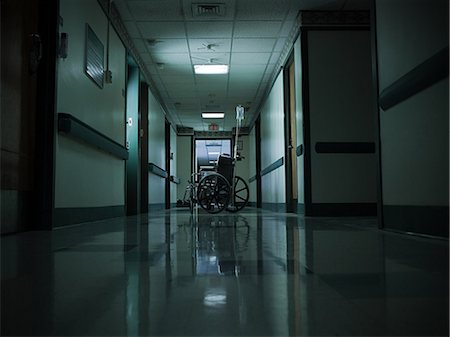
And yet, how strange and jarring was the scene. Security and staff stood guard in the lobby, doling out hand sanitizer and allowing entrance only to those without COVID symptoms. Masks covered all faces. Floors I once frequented to consult on belly pain or check post-operative incisions have cleared of all such patients, and now fill the to brim with coronavirus sufferers. Recovery rooms suddenly function as ICUs. The hallways, the rooms, and even the familiar faces all announce the dramatic transformation, quick, sinister, and perverse, that has taken hold against all human will.
The empty chairs were the worst. ICUs abound in anguish. Some occupants wither toward death. Others barely cling to life, with the threat of catastrophe looming like a gray spectre. Tears stain pillows, and moans break the rhythmic sighing of ventilators.
Yet under normal circumstances, tenderness penetrates even these houses of sorrow, breaking through the melancholy like a supple shoot through soil. Usually, the ministers of this tenderness are family members. They draw their chairs up close during the last hours to cradle a familiar palm, and to fill the dwindling air with whispers of memories and beloved songs. They shave a wayward beard, play favorite Sinatra tunes, or crack jokes to coax a smile. They offer constant reminders to those grappling with illness that life is so much more than the four corners of a hospital room. They remind them, that they are so much more: that the dying still matter. That they are loved, and remembered, and have worth that doesn’t begin or end with disease.
Now, the chairs are empty. The patients still grasp for life. The tears still dampen the hospital sheets, and the ventilators still hiss their cold cadence. But the families are kept at bay, relegated to their homes, accessible by phone and screen only.
I’ve had many hard conversations with families before, but never in all my years like this. In one case, goodbyes were said over FaceTime. In another, “I love you’s” were offered with cracking voices during a Zoom conference. Then the meetings were ended, and the heartbeats slowed to a stop alone, far distant from those who could hold the hands, sing the songs, and offer the reminders. Far distant from those who infused life with meaning.
It’s hard not to despair in such times. The Adversary seems determined through this pandemic to sever us from one another, to obliterate the ties of family, friendship, and fellowship that spur us on through our days. As weeks have passed, I’ve heard discouragement weigh down the words of friends who are isolated, for whom loneliness seems a steadily encroaching shadow. Churches long to gather, to rejoice together as one body. Loved ones long to visit and embrace. Even among the dying, the chairs are empty, the loneliness all-encompassing.
After this first shift, I felt desperate to steward something simple and good. After disinfecting myself and crashing asleep for a while, I awoke to clean the bathrooms and do the laundry (both reactions to working in hospital corridors during a pandemic), then made coconut macaroons, fresh bread, and corn muffins. As I mixed ingredients and rolled coconut between my palms, breathing in the sweet scent to chase away the previous night’s horrors, I couldn’t help but wonder if we weren’t made for this: the simple stewarding of God’s good creations. The true, elegant, uncomplicated work of caring and creating for what he’s given us.
That’s what caring for others during this pandemic is: stewardship. Loving neighbor, because in Christ God loved us first. Stewarding our talents, to usher image bearers home.
Yet twisted by sin, the picture is warped. Malice creeps in with its dark tendrils to pry us from those we love. It swamps us with loneliness. It abandons the dying to inspire their last draught of air alone.
And yet, we are not alone. God knows each and every one of us, such that even the hairs on our heads are numbered (Luke 12:7). Christ, who through his precious blood redeemed us all from this black brokenness, this seeping evil, promises to remain with us always: “And surely I am with you always, to the very end of the age” (Matt. 28:20).
In these strange days, when to lay on hands is unloving, when the chairs beside the dying stand empty, what sweet comfort it is to know that God knows us by name, and is with us! Nothing can wrench us from his love in Christ — not death, not angels, not demons, not even a pandemic that rends asunder everything we hold dear (Rom. 8:38-39). Even when we face the minutes alone, whether they be at home or in the deep quiet of sedation in the hospital, he remains with us, as promised in Psalm 139:
Where can I go from your Spirit?
Where can I flee from your presence?
8 If I go up to the heavens, you are there;
if I make my bed in the depths, you are there.
9 If I rise on the wings of the dawn,
if I settle on the far side of the sea,
10 even there your hand will guide me,
your right hand will hold me fast.
11 If I say, “Surely the darkness will hide me
and the light become night around me,”
12 even the darkness will not be dark to you;
the night will shine like the day,
for darkness is as light to you.
Dear brothers and sisters, these days are dark and menacing. Life was not supposed to bear this sorrow, and our hearts of flesh are too brittle to endure the strain.
Thanks be to God, Jesus is risen, and has gone ahead of us. Chairs are empty, but so is the tomb. He has borne the weight we cannot. He shouldered the bloody cross, and cried out to the Father when all our sins surged down upon him, so that by his blood we will never be alone. Even when our lives draw to a close, “in his great mercy he has given us new birth into a living hope through the resurrection of Jesus Christ from the dead, and into an inheritance that can never perish, spoil or fade” (1 Pet. 1:3).
If we sequester alone in our homes, God is there.
If we bid a loved one farewell over the phone, God is there.
If we succumb to the coronavirus alone in the hospital, still he is there, because he remains with us always.
He told Joshua overlooking the Promised Land, “I will not leave you or forsake you.” (Josh. 1:5) During the Exodus, day and night God “did not depart from before the people” (Ex. 13:22). In Christ, we share in such promises of God’s steadfast love and faithfulness (Ex. 34:6), assured that when Christ returns to usher in the new heavens and the new earth, God’s glory will so overtake us, so beautifully enfold us, that we will dwell in his radiance forever (Rev. 21:23).
Take heart, brothers and sisters. For now, we groan. For now, pandemics seethe, and we yearn for warmth, for tenderness, for a loving embrace. “But God, being rich in mercy, because of the great love with which he loved us, even when we were dead in our trespasses, made us alive together with Christ” (Eph. 2:4).
No matter what calamity ensnares us, in Christ, we are never alone. For “neither death nor life, nor angels nor rulers, nor things present nor things to come, nor powers, nor height nor depth, nor anything else in all creation, will be able to separate us from the love of God in Christ Jesus our Lord.” (Rom. 8:38-39)


Leave a comment